
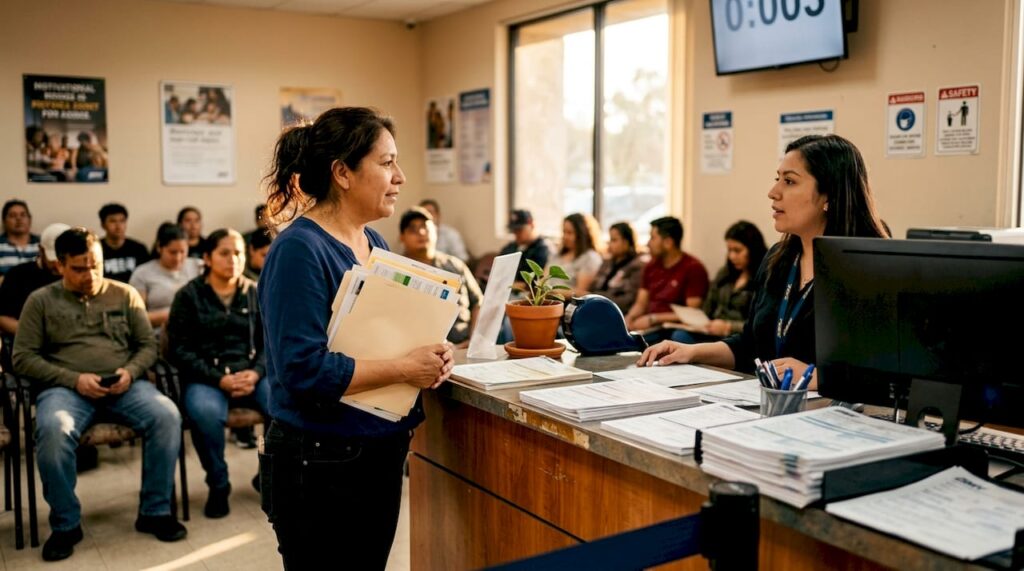
The San Jose DMV is the official government agency responsible for issuing driver’s licenses, registering vehicles, and enforcing motor vehicle regulations for San Jose residents. It operates as a local field office of the California Department of Motor Vehicles, drawing its authority directly from the California Vehicle Code. The California DMV serves over 27 million licensed drivers statewide. That scale means every San Jose resident who drives, owns a vehicle, or needs a state-issued ID will interact with this office at some point. Understanding the role of San Jose DMV before you walk through the door saves time, reduces stress, and prevents rejected applications.
What services does the San Jose DMV provide?

The San Jose DMV covers a wide range of licensing and vehicle-related services under one roof. Knowing what falls under its authority helps you plan your visit correctly.
Driver licensing services include:
- Learner’s permits for new drivers
- Original driver’s license applications
- License renewals and duplicates
- REAL ID issuance (requires additional documentation)
- Commercial driver’s license processing
Vehicle services include:
- New vehicle registration and annual renewals
- Title transfers for bought or sold vehicles
- License plate issuance and replacement
- Registration stickers
Testing services include:
- Written knowledge tests for permits and licenses
- Behind-the-wheel driving exams
- Vision screenings
The office also processes record requests, including driving history reports and identity document issuance. San Jose DMV hours are generally Monday through Friday, 8:00 AM to 5:00 PM, though hours can vary by location and service type. Checking the California DMV website before your visit confirms current hours and any service-specific scheduling requirements.
What documents do you need for San Jose DMV requirements?
Preparation is the single biggest factor in a successful DMV visit. Applicants must provide one proof of identity, one proof of Social Security number, and two proofs of California residency, all in original or certified form. Photocopies are not accepted.
Proof of identity (one document required):
- U.S. birth certificate
- Valid U.S. passport
- Permanent resident card
Proof of Social Security number (one document required):
- Social Security card
- W-2 form
- SSA-1099 form
Proof of California residency (two documents required):
- Utility bills in your name
- Bank statements
- Mortgage or lease agreement
- Government-issued mail with your address
Standard driver’s license fees run typically around $35, though fees vary by license type and transaction. REAL ID applications require the same core documents plus additional verification of your legal name and residency. Confusing REAL ID requirements with standard license requirements is one of the most common mistakes applicants make. That confusion causes rejected applications and forces extra visits.
Pro Tip: Download the official DMV document checklist from the California DMV website before your appointment. Cross off each item physically before you leave home. Arriving with one missing document wastes your entire appointment slot.
How to use San Jose DMV services without wasting time
Efficiency at the DMV comes down to two things: scheduling and preparation. Follow these steps to get through your visit without unnecessary delays.
- Schedule an appointment online. Online appointment scheduling is the fastest way to avoid long wait times. Walk-ins have no guaranteed service before closing, especially during peak hours.
- Arrive early. If you must walk in, arriving at least 30 minutes before opening improves your chances of being served. Afternoon walk-ins frequently wait hours or get turned away.
- Organize your documents before you arrive. Place them in the exact order the checklist requires. Complete documentation based on official checklists prevents rescheduling and delays.
- Know which license type you need. Standard licenses and REAL IDs have different document requirements. Confirm your type before gathering paperwork.
- Understand what the DMV will not do. The DMV acts as a regulatory verifier, not a paperwork consultant. Staff check your documents against legal requirements. They do not help you fill out forms or advise on which documents to bring.
- Prepare your vehicle for a driving test. The driving test requires a licensed driver aged 18 or over to accompany you, along with a vehicle that is safe, insured, and registered. Showing up with an unregistered or uninsured car means an automatic reschedule.
Pro Tip: Use the Forwardschool DMV test preparation guide to review what the knowledge test covers. Candidates who study specific California Vehicle Code rules pass on the first attempt far more often than those who rely on general driving experience.
What is the San Jose DMV’s relationship with other California agencies?
The DMV does not control everything related to vehicles and driving in California. The California Vehicle Code defines the DMV’s jurisdiction and separates it from federal and other state agencies. Understanding those boundaries prevents wasted trips.
| Function | Agency responsible |
|---|---|
| Driver licensing and vehicle registration | California DMV |
| Emissions and smog certification | Bureau of Automotive Repair |
| Vehicle safety standards | National Highway Traffic Safety Administration (NHTSA) |
| Motor carrier safety regulations | Federal Motor Carrier Safety Administration (FMCSA) |
| Consumer protection for auto dealers | California Department of Consumer Affairs |
The DMV does not handle smog certifications or vehicle mechanical safety inspections. Those services fall under the Bureau of Automotive Repair and federal bodies like NHTSA. If your vehicle fails a smog check, you resolve that with a licensed smog station, not the DMV. The DMV only needs proof that your vehicle passed. Understanding which agency handles which function helps residents avoid wasted trips and misunderstandings. The DMV’s role is narrow but critical. It is the final checkpoint for verifying legal compliance with state licensing and registration law. It does not overlap with the Bureau of Automotive Repair, NHTSA, or the Department of Consumer Affairs. Knowing this distinction also helps when you review recent California driving rule updates, since regulatory changes often come from multiple agencies, not just the DMV.
Key Takeaways
The San Jose DMV is a licensing and registration authority, not a general vehicle services office. Its scope is defined by the California Vehicle Code and separate from other state and federal agencies.
| Point | Details |
|---|---|
| Core DMV function | Issues driver’s licenses, vehicle registrations, and state ID documents under California law. |
| Document requirements | Bring one identity proof, one SSN proof, and two residency proofs in original form. |
| Appointment scheduling | Book online to avoid walk-in wait times and the risk of not being served. |
| REAL ID vs. standard license | These have different document requirements; confusing them causes rejected applications. |
| Agency boundaries | Smog tests and vehicle safety inspections are handled by other agencies, not the DMV. |
What I’ve learned from watching drivers walk into the DMV unprepared
Most DMV problems are self-inflicted. After years of working with San Jose drivers at Forwardschool, the pattern is consistent. Applicants show up with photocopies instead of originals. They bring a standard license checklist to a REAL ID appointment. They skip the appointment system and then complain about a three-hour wait.
The DMV is not a forgiving environment for improvisation. It is a compliance checkpoint. Every staff member at the counter is verifying documents against a legal standard, not helping you figure out what you need. That distinction matters. The DMV’s job is to say yes or no, not to coach you through the process.
First-time drivers in San Jose often underestimate the knowledge test. The California Vehicle Code covers specific rules around right-of-way, speed limits in school zones, and cell phone restrictions that are not obvious from everyday driving experience. Reviewing the steps to get a driver’s license in San Jose before your appointment gives you a concrete checklist rather than a vague sense of readiness.
The one piece of advice I give every new driver: treat your DMV appointment like a job interview. Prepare every document the night before. Know exactly which license type you are applying for. Arrive with nothing missing. The DMV process is not difficult when you respect its requirements.
— Andre
Forwardschool helps San Jose drivers prepare for the DMV
Passing the DMV’s knowledge test and behind-the-wheel exam requires more than reading a handbook. Forwardschool has prepared San Jose drivers since 2010 with structured courses that cover California Vehicle Code rules, road test skills, and the document knowledge you need before your appointment.
Forwardschool’s programs include teen driver courses, adult refresher classes, and behind-the-wheel training in DMV-registered vehicles with dual brake pedals. Every lesson is built around California DMV requirements. Parents and teens can review the driver education benefits that come with professional instruction, from higher first-attempt pass rates to safer long-term driving habits. If you want a clear path from permit to license, Forwardschool gives you the preparation the DMV expects.
FAQ
What is the primary role of the San Jose DMV?
The San Jose DMV issues driver’s licenses, processes vehicle registrations, and provides state-issued identity documents as a field office of the California Department of Motor Vehicles. Its authority comes from the California Vehicle Code.
What documents do I need for a San Jose DMV appointment?
You need one proof of identity, one proof of your Social Security number, and two proofs of California residency, all in original or certified form. REAL ID applications require additional documentation beyond the standard license checklist.
How do I schedule a San Jose DMV appointment?
Book your appointment online through the California DMV website. Walk-ins are accepted under certain conditions, but online scheduling is the fastest way to guarantee service and avoid long wait times.
Does the San Jose DMV handle smog checks?
No. Smog certification is managed by the Bureau of Automotive Repair, not the DMV. The DMV only requires proof that your vehicle passed a smog check before processing registration.
What is the difference between a REAL ID and a standard California driver’s license?
A REAL ID meets federal identification standards and requires additional document verification beyond a standard license. Mixing up the two document checklists is a leading cause of rejected applications at the DMV.