
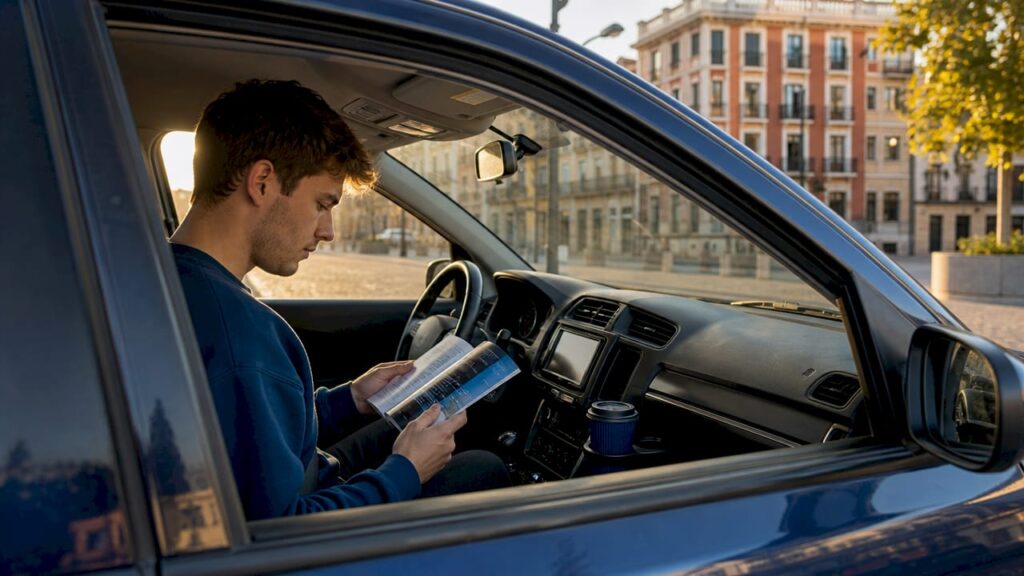
Defensive driving is defined as a proactive approach to operating a vehicle that focuses on anticipating hazards before they require emergency action. The core reason to learn defensive driving in 2026 is simple: it reduces your exposure to risk on roads that are busier and more distracted than ever. Beyond safety, completing a recognized course through providers like the AARP Smart Driver program or a California DMV-registered school delivers real financial and legal benefits, including insurance discounts and ticket dismissal options. Whether you are a new driver, a parent guiding a teen, or an experienced driver looking for a refresher, the case for enrolling in a defensive driving course this year is stronger than most people realize.
What are the key benefits of learning defensive driving in 2026?
Defensive driving delivers two distinct categories of benefits: administrative and behavioral. Understanding which is which helps you set realistic expectations before you enroll.
Administrative benefits are the most measurable. Insurance discounts typically range from 5% to 10% in most states, with certificates valid for about three years. That is a real reduction on your annual premium for doing a course that often costs less than $100. Many states also allow drivers to use a completed course for ticket dismissal or point reduction on their license, which can prevent a moving violation from raising your insurance rate at all.

Behavioral benefits are real but harder to quantify. Defensive driving training teaches hazard recognition, safe following distances, and how to manage intersections and aggressive drivers. These skills build situational awareness that carries into every trip you take. However, one federally funded study found no statistically significant difference in crash rates between drivers who completed a course and those who did not, after adjusting for miles driven. That finding does not mean the training is worthless. It means the course alone is not a guarantee of safety. The habits you build after the course determine the outcome.
The practical benefits of defensive driving for new drivers are especially strong. A teen who completes a course alongside standard driver’s ed gains a second layer of hazard awareness that basic licensing requirements do not cover. For parents, that extra layer is worth the enrollment fee on its own.
How do defensive driving courses work in 2026?
Defensive driving courses come in three main formats in 2026: online, classroom, and specialized hands-on training. Each serves a different need and budget.
| Format | Typical Cost | Best For | Includes Behind-the-Wheel? |
|---|---|---|---|
| Online | $25–$75 | Ticket dismissal, insurance discount | No |
| Classroom | $50–$100 | Insurance discount, structured learning | No |
| Hands-on / specialty | $500+ per day | Advanced hazard response | Yes |
Standard courses cost between $25 and $100, while specialized hands-on training runs $500 or more per day. The price gap reflects a fundamental difference in what each delivers. Most drivers who want insurance savings or ticket dismissal will find a standard online or classroom course fully sufficient.
Most defensive driving courses focus on theory, hazard anticipation, and legal awareness rather than behind-the-wheel practice. Expect to cover topics like hazard recognition, safe following distances, managing intersections, the effects of alcohol and fatigue, and strategies for handling aggressive drivers. You will not be doing high-speed evasive maneuvers. The goal is to change how you think, not to teach you stunt driving.
Course length varies. Online programs can often be completed in four to six hours at your own pace. Classroom sessions typically run one full day. Hands-on specialty courses at facilities like performance driving schools span multiple days.
Pro Tip: Before you enroll, confirm that your specific insurer and your state’s DMV both recognize the course provider. Not every approved course qualifies for every benefit.
State and insurer regulations on course approvals vary widely. A course accepted by one insurance carrier may not qualify for a discount with another. Always verify before you pay.
What administrative rules apply before you enroll?
The administrative side of defensive driving courses has more rules than most drivers expect. Getting these details wrong can mean completing a course and receiving none of the benefits you were counting on.
-
Verify court or insurer approval first. State laws strictly regulate eligibility for ticket dismissal. Many courts require you to request permission before enrolling, not after. Completing a course without prior court approval often means the dismissal will not be granted.
-
Know the frequency limits. Ticket dismissal and point reduction through a defensive driving course are typically available once every 12 to 18 months in most states. You cannot use the same course benefit repeatedly for every ticket you receive.
-
Track your certificate expiration date. Insurance discounts expire after three years unless you take a refresher course to renew them. Some drivers are surprised when their premium increases after the certificate lapses. Set a calendar reminder before the three-year mark.
-
Check eligibility restrictions. Some states exclude certain violation types from dismissal eligibility. Serious offenses like DUI or reckless driving are almost never eligible for dismissal through a standard defensive driving course.
-
Understand refund and attendance policies. Online courses often allow you to pause and resume, but some classroom programs require full attendance to receive a certificate. Missing part of a session can void your completion record.
Pro Tip: Call your insurance company before enrolling and ask specifically which course providers they accept and what documentation they require for the discount. A five-minute call can save you from completing a course that does not qualify.
How does defensive driving compare to other driver education programs?
Defensive driving occupies a specific position in the driver education spectrum. It is not the same as beginner driver’s ed, and it is not the same as advanced performance driving.
Beginner driver’s ed, like the programs offered by California DMV-registered schools such as Forwardschool, focuses on foundational vehicle control, traffic laws, and the mechanics of operating a car safely. The goal is to get a new driver licensed and competent. Defensive driving builds on top of that foundation by teaching hazard anticipation and proactive risk management. The two programs complement each other well, which is why many driving instructors recommend new drivers complete both.
Advanced driving courses, offered by performance driving schools and racing organizations, focus on vehicle dynamics, high-speed control, and emergency maneuvers. These are valuable for drivers who want to push their skills further, but they serve a different purpose than defensive driving. The types of driving courses available in 2026 span a wide range, and knowing which one fits your goal matters.
For parents choosing teen driving courses, defensive driving works best as a supplement to standard driver’s ed, not a replacement. Teens who understand hazard anticipation from the start build better habits than those who learn it years later as a corrective measure.
Senior drivers benefit from defensive driving refreshers because cognitive processing speed and reaction time change with age. Programs like the AARP Smart Driver course are specifically designed for drivers over 50 and address the real-world challenges that come with aging behind the wheel.
Practical tips for choosing and completing a course in 2026
Choosing the right course takes about 20 minutes of research and saves a significant amount of frustration later. These steps make the process straightforward.
- Match the course to your goal. If you need ticket dismissal, confirm the course is court-approved in your jurisdiction. If you want an insurance discount, confirm your insurer accepts the provider. If you want skills improvement, look for a course with strong content on hazard recognition and situational awareness.
- Choose a format that fits your schedule. Online courses offer flexibility for busy drivers. Classroom sessions provide structure and direct interaction with an instructor. Neither is inherently better. The one you will actually finish is the right choice.
- Check certificate delivery timelines. If you have a court deadline, confirm the course provider can deliver your completion certificate before that date. Some online providers issue certificates immediately. Others take several business days.
- Read the attendance and refund policy. Know what happens if you need to stop partway through. Some providers offer partial refunds. Others do not.
- Apply what you learn immediately. The defensive driving mindset is about expecting other drivers to break rules and creating space to react safely. Practice that expectation on every drive after the course, not just during it.
For drivers in the San Jose area, Forwardschool offers structured driver education programs for both teens and adults, with California DMV registration and qualified instructors who reinforce safe driving techniques from the first lesson.
Key takeaways
Defensive driving delivers its strongest proven value through administrative benefits like insurance discounts and ticket dismissal, with behavioral safety gains that depend on consistent practice after the course.
| Point | Details |
|---|---|
| Insurance savings are real | Discounts of 5%–10% are standard, but certificates expire after three years. |
| Administrative rules matter | Always verify court or insurer approval before enrolling to avoid wasted effort. |
| Course content is theory-based | Most courses cover hazard recognition and legal awareness, not behind-the-wheel maneuvers. |
| Crash rate impact is limited | Studies show no significant crash rate reduction from courses alone; habits after the course drive outcomes. |
| All driver types benefit | New drivers, seniors, and experienced drivers each gain distinct value from defensive driving training. |
My honest read on what defensive driving actually delivers
I have seen drivers walk out of a defensive driving course expecting to be transformed. Most are not. The course gives you a framework. What you do with it is the actual work.
The mindset shift is the real product of a good defensive driving course. When you genuinely start expecting other drivers to run red lights, cut lanes without signaling, or brake suddenly, you create more space and more time to react. That mental posture is worth more than any certificate. The problem is that a four-hour online course can only introduce the idea. Building it into a reflex takes months of deliberate practice.
The administrative benefits are the most reliable return on your investment. A 5% to 10% insurance discount, a dismissed ticket, or a clean driving record are concrete outcomes you can count on if you follow the eligibility rules correctly. Do not skip the verification steps. I have heard from drivers who completed a course and received nothing because they did not confirm court approval first.
My advice differs by audience. New drivers should take a defensive driving course alongside their standard driver’s ed, not instead of it. Experienced drivers who have not refreshed their knowledge in five or more years will find the hazard recognition content genuinely useful. Parents of teens should look at the course as a long-term investment in their child’s safety habits, not a one-time fix.
The course is a starting point. The road is where the real training happens.
— Andre
Forwardschool’s driver education programs for safer driving
Forwardschool has been preparing teen and adult drivers in San Jose since 2010, with California DMV-registered programs that cover everything from first-time licensing to refresher training for experienced drivers.
Whether you are a parent looking for structured teen driver education that includes hazard awareness and safe driving techniques, or an adult driver ready to sharpen your skills, Forwardschool offers tailored scheduling, free pick-up and drop-off, and dual-brake vehicles for added safety. Instructors work with each driver at their own pace, building the confidence and awareness that defensive driving principles are built on. Check current course rates and find a schedule that works for you.
FAQ
What is defensive driving?
Defensive driving is a proactive approach to operating a vehicle that focuses on anticipating hazards and managing risk before emergencies occur. It emphasizes expecting unpredictable behavior from other drivers and maintaining space and time to react safely.
How much does a defensive driving course cost in 2026?
Standard online or classroom courses cost between $25 and $100. Specialized hands-on training programs run $500 or more per day, depending on the provider and curriculum.
Does defensive driving lower your insurance premium?
Completing an approved course typically earns a discount of 5% to 10% on your auto insurance premium. The discount lasts about three years and requires a refresher course to renew.
Can defensive driving dismiss a traffic ticket?
In many states, yes. However, eligibility is limited to once every 12 to 18 months, and most courts require you to request approval before enrolling in the course, not after.
Is defensive driving worth it for experienced drivers?
Yes. Experienced drivers benefit from refreshed hazard recognition skills and the ongoing insurance discount. Drivers who have not updated their knowledge in several years often find the course content more relevant than they expected.
Recommended
- Types of Driving Courses: Your 2026 Selection Guide – https://forwardschool.com
- Why Take Driving Lessons: Teens and Adults Guide – https://forwardschool.com
- Why Complete Driving School: Skills That Last a Lifetime – https://forwardschool.com
- Your step-by-step path to safe driving in San Jose – Forwardschool.com